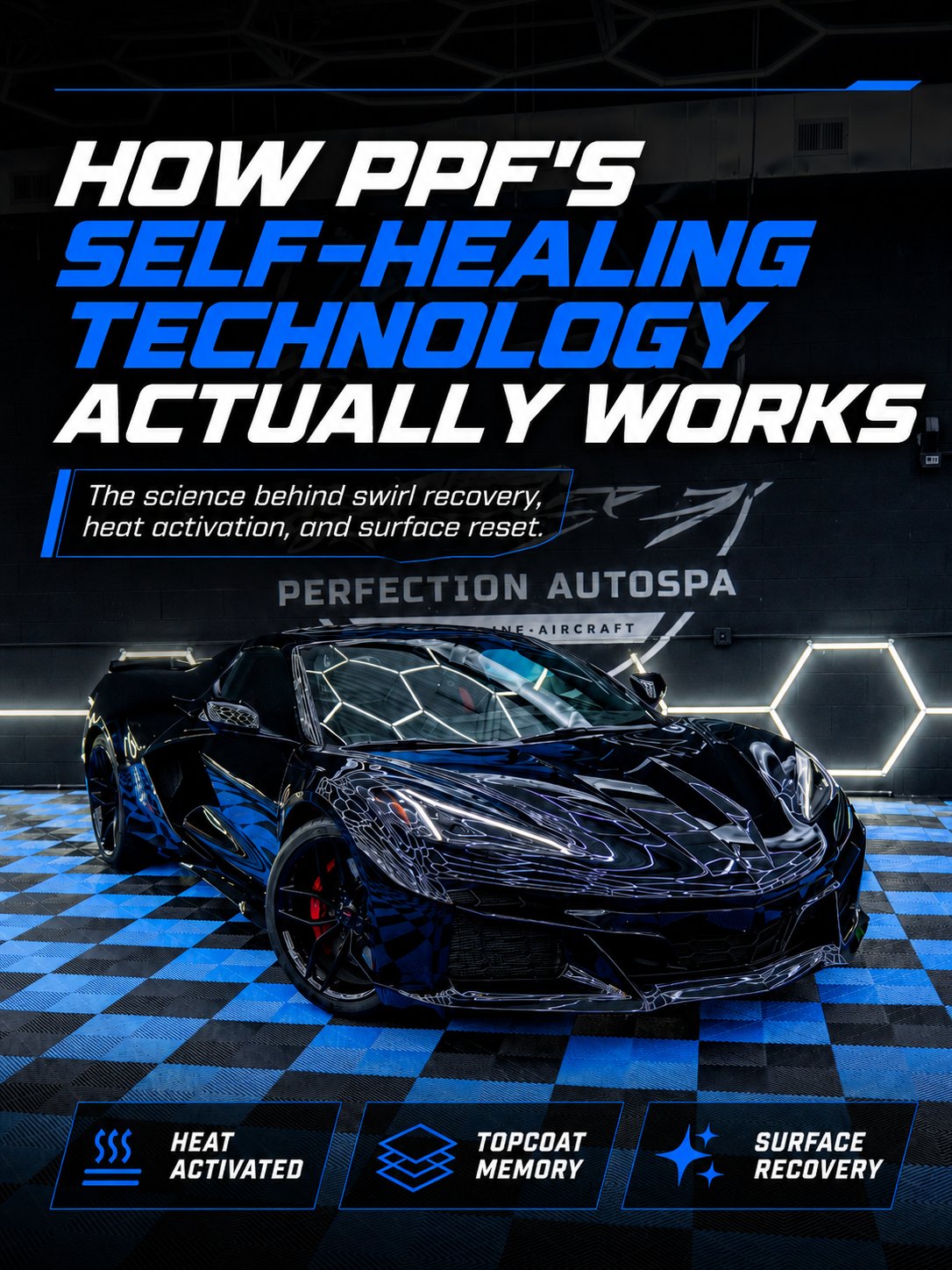
How PPF’s Self-Healing Technology Actually Works
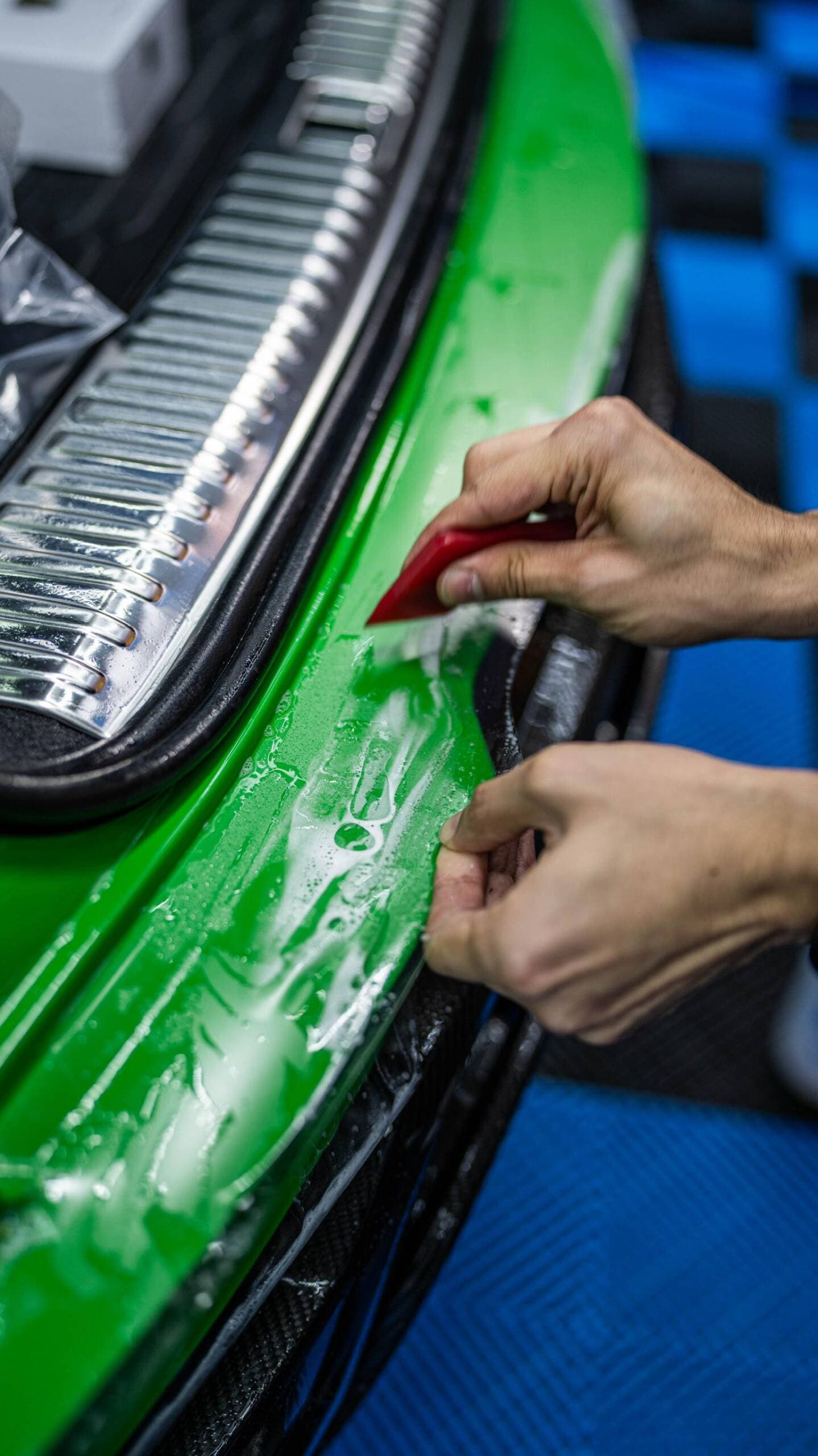
Self-healing is one of the most talked-about benefits of modern paint protection film (PPF) — and one of the most misunderstood. Some drivers assume the film erases every scratch on its own, while others dismiss it as marketing. The truth sits in between. Self-healing PPF relies on a specially engineered clear topcoat that reacts to heat, letting light surface marks level out and vanish. In this guide we break down the real science behind swirl recovery, heat activation, and surface reset — and exactly what this technology can and cannot do for your car’s finish.
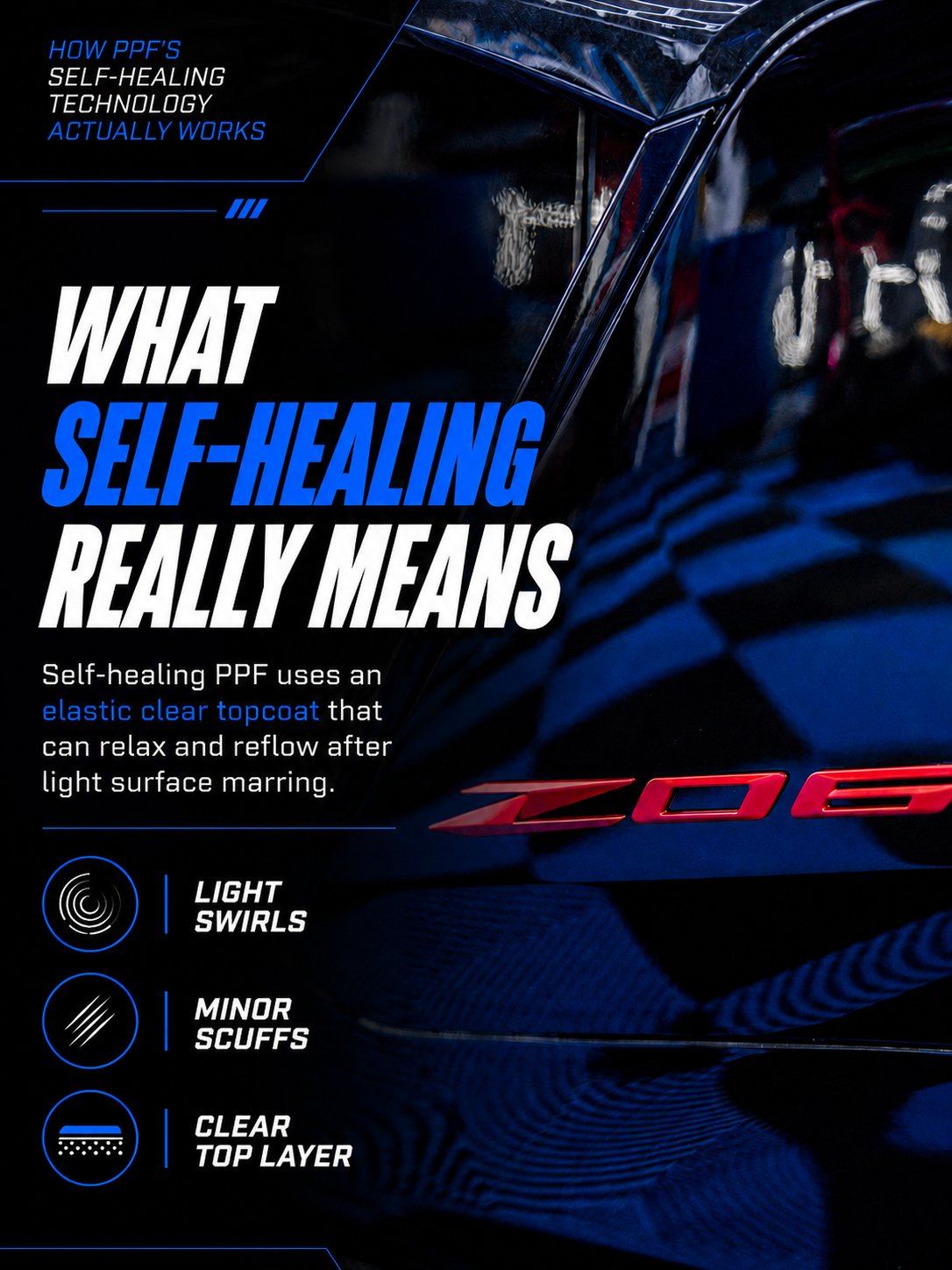
What Self-Healing Really Means
Self-healing PPF uses an elastic clear topcoat that can relax and reflow after light surface marring. Think of the outer layer as having a memory: when it is disturbed by a light swirl or a minor scuff, the material wants to return to its original smooth shape. It is designed to bounce back from light swirls, minor scuffs, and shallow marks that sit only in the clear top layer of the film. What it will not do is fill deep gouges or cuts that reach the paint — its job is to stop everyday wear from ever showing on your finish.
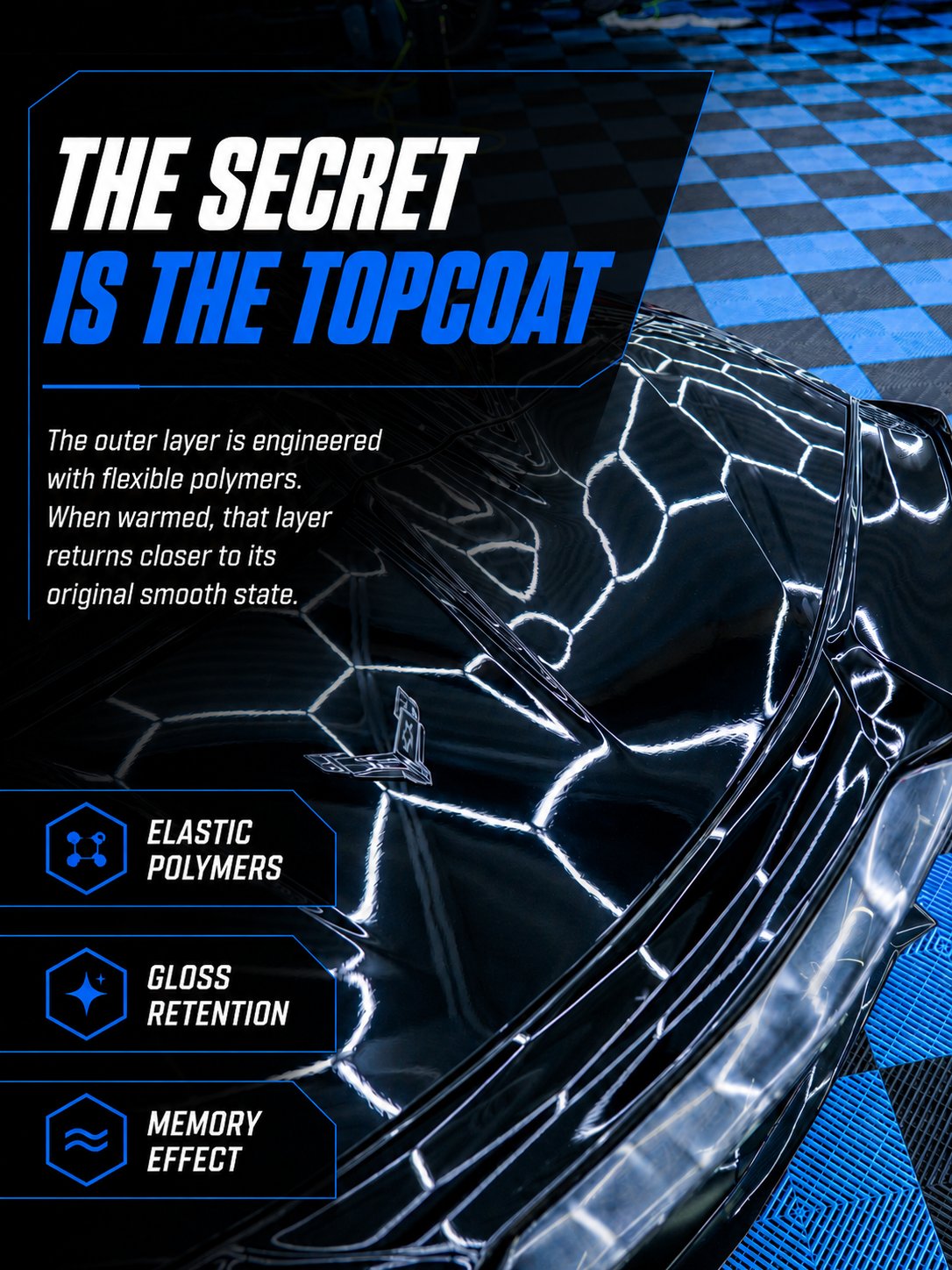
The Secret Is the Topcoat
The real magic lives in the topcoat. The outer layer is engineered with flexible polymers that behave very differently from a rigid clear coat. When warmed, that layer softens slightly and returns closer to its original smooth state, pulling light marks flat again. The result is a combination of elastic polymers that flex instead of crack, strong gloss retention that keeps the paint looking wet and deep, and a memory effect that quietly resets the surface over and over — no polishing and no products required.
Heat Starts the Reset
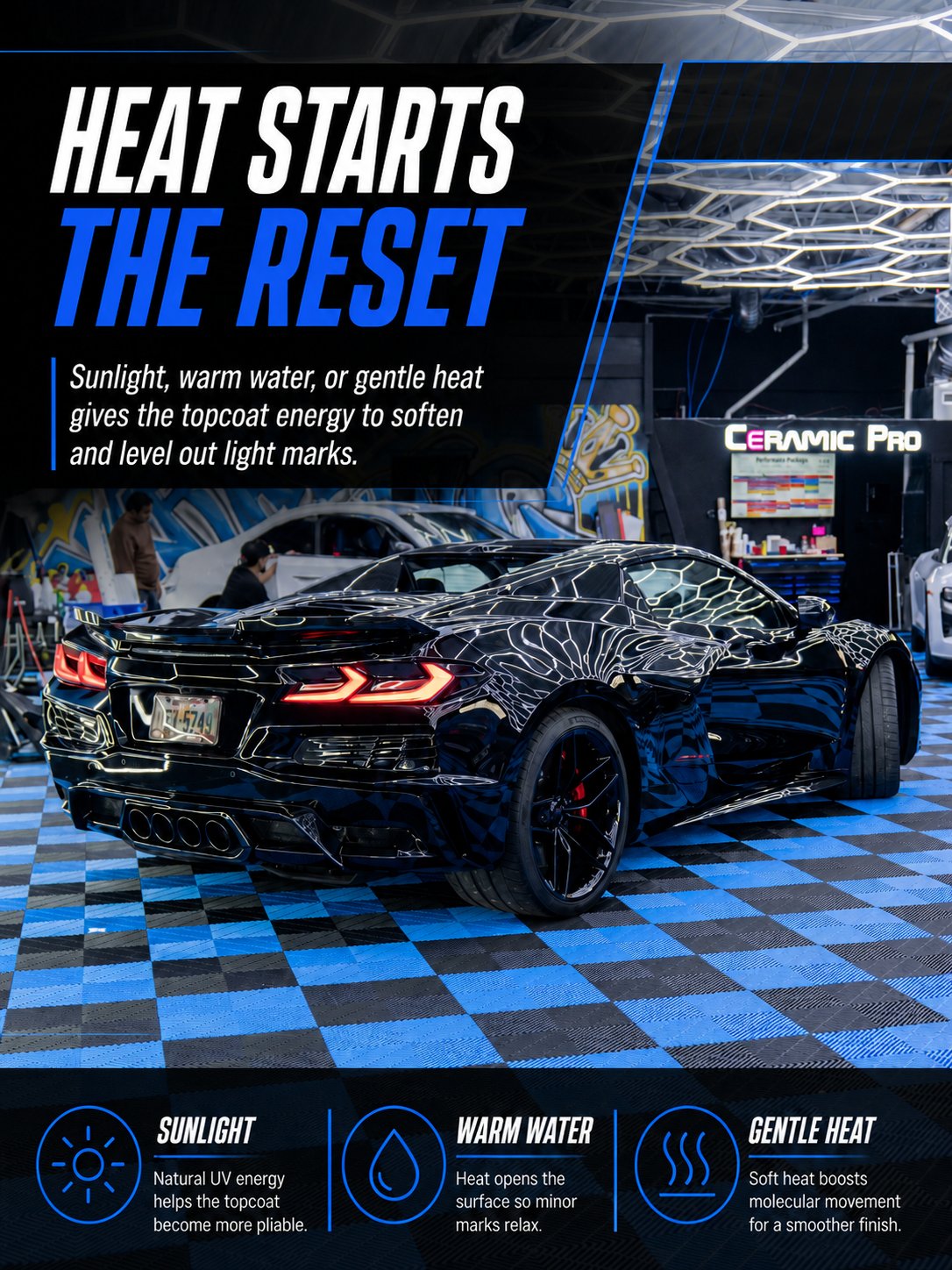
Heat is the trigger that activates the whole process. Sunlight, warm water, or gentle heat gives the topcoat the energy it needs to soften and level out light marks. Natural UV energy from a sunny day makes the topcoat more pliable over time, warm water from a rinse or wash opens the surface so minor marks relax, and gentle heat from a heat gun or the engine bay speeds molecular movement for a smoother finish. Without warmth the film still protects, but the visible healing happens fastest when the surface is warm.
What It Fixes Best
Self-healing works best on the lightest, most superficial damage. Fine scratches, towel marks, and shallow scuffs that live in the film’s outer surface are exactly what this technology is built to erase. These are the marks that come from normal washing, drying, and daily driving — the ones that dull a finish long before any real damage occurs. Deeper scratches that cut fully through the film are a different story and will not self-heal, but the small stuff that makes paint look tired is handled automatically.
Light Marks Fade Away
Most of what makes a finish look worn is not deep damage at all — it is a haze of tiny swirls and wash marring across the top surface. As the film relaxes with warmth, those shallow marks become less visible or disappear entirely. You get real swirl reduction, recovery from micro-marring, and a noticeably smoother, cleaner finish. Instead of building up over months into a dull, spider-webbed surface, the light marks reset again and again, keeping the paint looking freshly detailed with far less effort.
How Fast Does It Recover?
Recovery is not always instant, and the timing depends on a few things. Film chemistry, ambient temperature, and the depth of the mark all play a role in how quickly the surface resets. Warm conditions usually speed the process dramatically — a mark that lingers on a cold morning can vanish within minutes in direct sun. Temperature matters, depth matters, and a little patience helps. The film is quietly working even when you cannot see it happening, and added warmth will always move things along faster.
How to Help It Heal
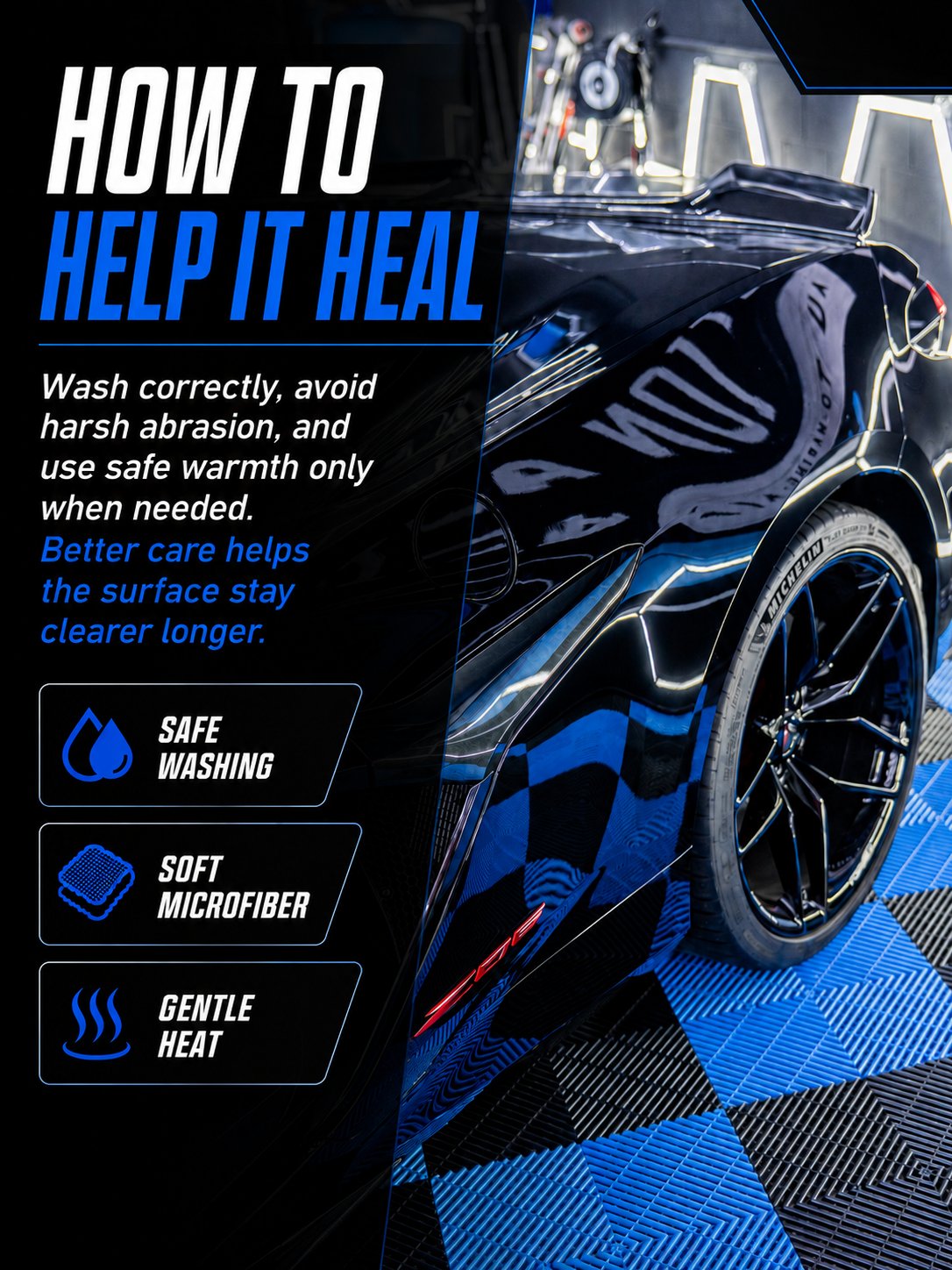
You can help the film do its job with a few good habits. Wash correctly using the two-bucket method, avoid harsh abrasion and dirty towels, and apply safe warmth only when you want to speed up a reset. Safe washing keeps new marring to a minimum, soft microfiber stops you adding scratches faster than the film can heal them, and gentle heat encourages the topcoat to level out when needed. Better care will not just protect the film — it keeps the whole surface looking clearer and glossier for far longer.
The Bottom Line
PPF self-healing keeps your finish looking cleaner by constantly resetting light surface marks — but it is protection, not magic. Expect lasting gloss, stronger day-to-day protection, and a finish that shrugs off the small stuff. Just keep your expectations realistic: deep scratches, rock chips through the film, or damage that reaches the paint still need professional attention. If you are unsure whether a mark will heal on its own, book an inspection with Perfection Autospa and we will tell you exactly what your film can recover.