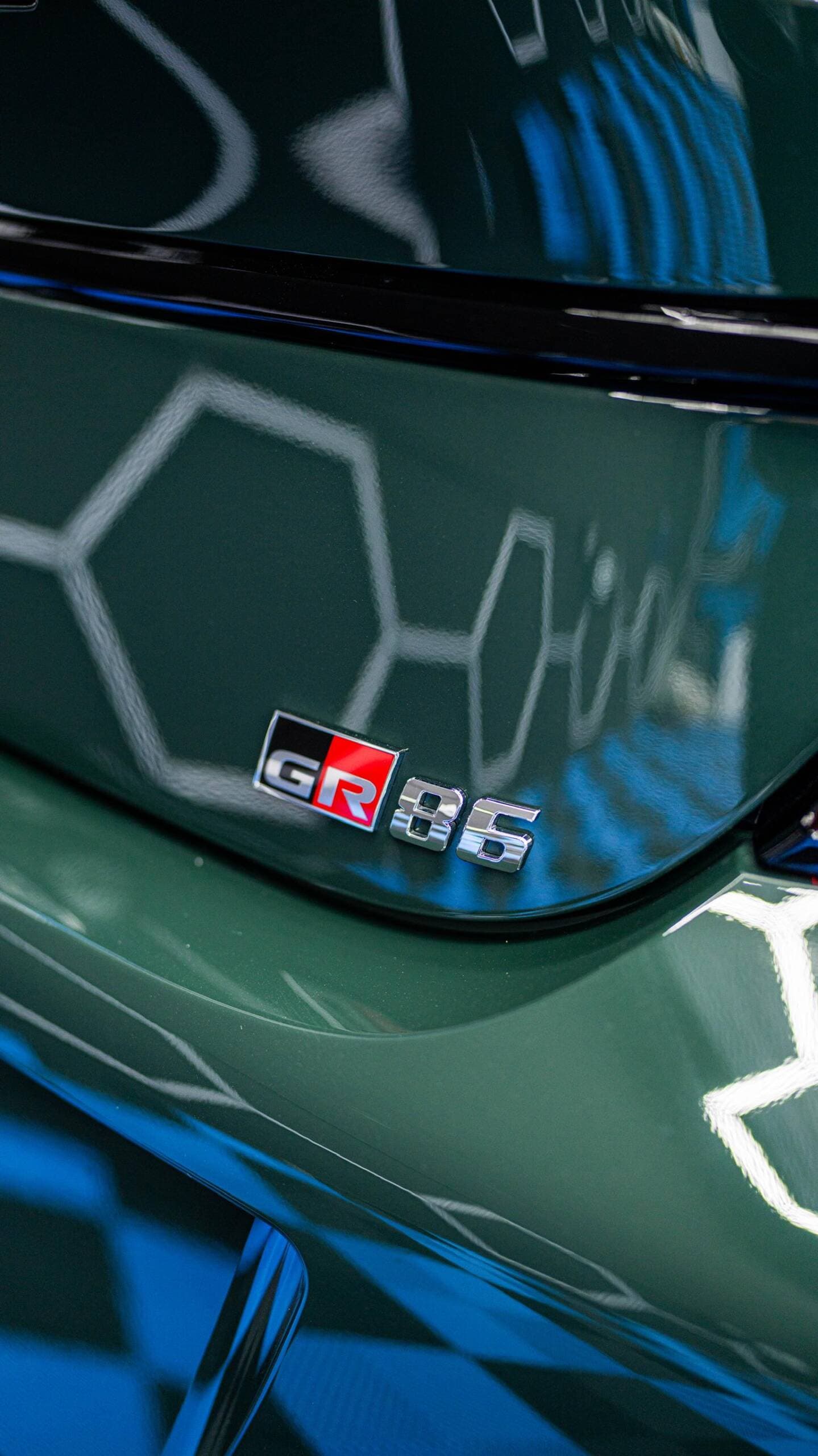
If you have looked into ceramic coating or a fresh detail, you have probably run into the term and wondered what it means. Paint correction is the process of removing defects from your car’s clear coat, things like swirl marks, light scratches, and water spots, by carefully polishing away a microscopically thin layer of clear coat rather than filling or hiding the flaws. Done right, it restores the deep, mirror-like finish the paint had when it was new.
What paint correction actually removes
- Swirl marks, the spider-web pattern you see under direct sun, usually from improper washing
- Light to moderate scratches that sit within the clear coat
- Water spots and etching from minerals or acidic contaminants
- Oxidation and hazing that dull the finish over time
- Buffer trails and holograms from previous poor polishing
It is important to be realistic: correction works within the clear coat. Deep scratches that have gone through to the paint or primer cannot be polished out and need paint repair instead.
Single-stage vs. multi-stage correction
Not every car needs the same amount of work, which is why correction is described in stages.
| Level | What it does | Best for |
|---|---|---|
| Single stage (enhancement) | One polishing pass, removes 50–70% of light defects | Newer cars, light swirls |
| Two stage | Cutting compound then finishing polish, removes 80–90% | Moderate swirls and light scratches |
| Multi stage (show quality) | Three or more passes for near-perfect correction | Older, neglected, or show cars |
Why correction matters before a coating or film
This is the part many owners miss. A ceramic coating is clear and slightly magnifies whatever is underneath it. Apply a coating over swirled paint and you lock those swirls in for the life of the coating. The same logic applies before paint protection film. Correcting first is what makes the finish look flawless afterward, which is why reputable shops treat correction as the prep step, not an upsell.
Does your car need paint correction?
Look at the paint under direct sunlight. If you see swirl marks, hazing, or fine scratches, correction will bring the finish back. If you are about to add a coating or film, correction is almost always recommended first. A newer, well-kept car may only need a light single-stage pass.
Get your paint assessed in Columbus and Dublin
The right level of correction depends entirely on the current condition of your paint, which is a quick in-person assessment. Request a quote and we will tell you honestly what your finish needs, no more and no less. We serve Dublin, Hilliard, Columbus, and central Ohio.
FAQ
What is paint correction on a car?
It is the process of polishing away a thin layer of clear coat to remove swirls, light scratches, and water spots, restoring a smooth, glossy finish instead of hiding the defects.
Is paint correction permanent?
The correction itself is permanent, but new swirls can appear from poor washing afterward. Adding a ceramic coating after correction helps keep the finish looking corrected longer.
How long does paint correction take?
A single-stage enhancement can be a few hours, while a multi-stage correction on a large or neglected vehicle can take one to two full days.
Can paint correction remove deep scratches?
Only if the scratch is within the clear coat. Scratches that reach the base paint or primer need paint repair, not correction.